Mastering Disaster Management in Kenya: Strengthening Climate Resilience and Emergency Preparedness
Effective disaster management requires more than responding after tragedy strikes. Kenya must continue investing in prevention, preparedness, early warning systems, resilient infrastructure and community education.
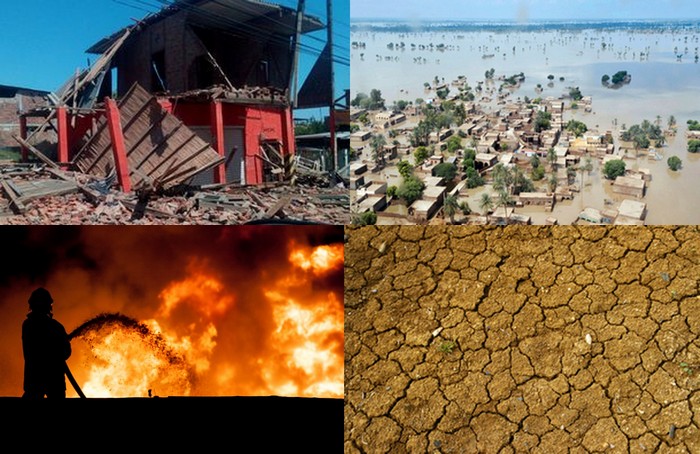
Kenya faces severe climate-related hazards and natural disasters, including catastrophic floods, severe droughts, landslides, urban fires and disease outbreaks. These frequent emergencies can cause tragic loss of life, widespread displacement, destruction of property and long-term socio-economic disruption. To protect communities and safeguard national development, establishing a strong Disaster Risk Management (DRM) framework is critical.
Understanding Disaster Preparedness and Risk Reduction
Disaster preparedness is a proactive approach focused on identifying potential risks, allocating resources and establishing effective response protocols before an emergency occurs. Proper preparation can significantly reduce the impact of disasters and improve the ability of communities to respond and recover.
Building a resilient disaster management system requires close coordination between county and national governments, humanitarian agencies, local businesses, community organizations and civil society. Collaboration ensures that resources, information and emergency services can reach affected populations quickly.
Essential Components of Community Preparedness
Several measures can help Kenyan communities become better prepared for emergencies:
- Risk Assessment and Emergency Plans: Identifying high-risk areas and developing clear, standardized emergency response strategies for counties and communities.
- Household Emergency Kits: Encouraging families to keep essential supplies such as clean drinking water, non-perishable food, first-aid kits, flashlights, batteries and important documents.
- Institutional Drills: Conducting regular emergency evacuation and response drills in schools, healthcare facilities, businesses and public institutions.
- Public Awareness: Educating communities about potential hazards, evacuation routes, emergency contacts and appropriate responses during disasters.
The Role of Technology in Early Warning Systems
Early Warning Systems (EWS) can significantly reduce disaster-related losses by providing timely alerts about approaching floods, droughts, landslides and severe weather conditions.
Technology such as ICT infrastructure, mobile communication, cell broadcasting and geospatial data can support real-time information sharing across multiple channels. When warnings reach communities early enough, people have more time to evacuate, protect property and seek assistance.
Building a Safer and More Resilient Kenya
Effective disaster management requires more than responding after tragedy strikes. Kenya must continue investing in prevention, preparedness, early warning systems, resilient infrastructure and community education.
By strengthening cooperation between government, communities, humanitarian organizations and the private sector, Kenya can improve its ability to anticipate, respond to and recover from disasters. A well-prepared nation is better positioned to protect lives, reduce economic losses and maintain sustainable development even in the face of increasingly complex climate-related challenges.