Hass Avocados: Why Central Kenya Farmers Are Embracing a High-Value Crop
For farmers in Nyandarua, Murang’a and other parts of Central Kenya, Hashi avocados represent more than just another fruit crop. With proper planning, professional farm management and dependable market linkages, avocado farming can contribute to household incomes, rural employment and agricultural diversification. The growing interest demonstrates how Central Kenya’s farmers continue to explore innovative ways of turning agriculture into sustainable and commercially viable enterprises.
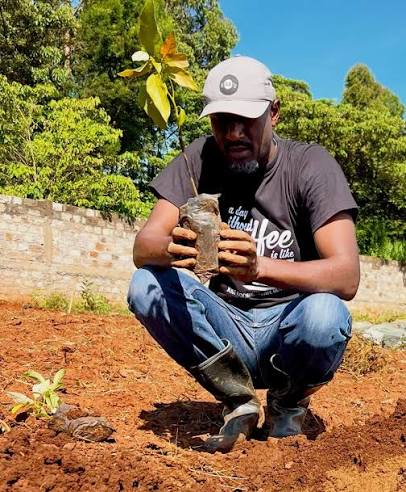
Hass avocados are increasingly attracting attention among farmers in Central Kenya, particularly in counties such as Nyandarua and Murang’a, where favourable farming conditions and growing market demand have created opportunities for avocado production. Known for their quality, appealing appearance and commercial potential, Hass avocados are becoming an interesting option for farmers looking to diversify their agricultural income.
One of the major reasons for their popularity is the growing demand for avocados in both local and international markets. As consumers increasingly embrace healthy eating, avocados have become a popular fruit because they are rich in healthy fats, fibre, vitamins and minerals. This expanding market has encouraged farmers to consider avocado farming as a potentially profitable agribusiness venture.
Nyandarua and Murang’a offer suitable environments for avocado production, although farmers must select varieties and management practices that match their specific locations. The regions benefit from productive agricultural land, established farming communities and access to markets through Kenya’s extensive agricultural supply chains.
For many farmers, avocado farming also provides an opportunity to move beyond traditional crops and develop longer-term income sources. Once properly established and managed, productive avocado trees can continue producing fruit over many seasons. However, successful production requires patience, quality seedlings, proper spacing, soil management, adequate water, pruning, pest and disease control, and good harvesting practices.
Another factor driving interest is the opportunity for farmers to organize themselves through cooperatives and producer groups. Working collectively can help farmers access training, inputs, aggregation services and better market information. It can also strengthen their bargaining position when dealing with buyers.
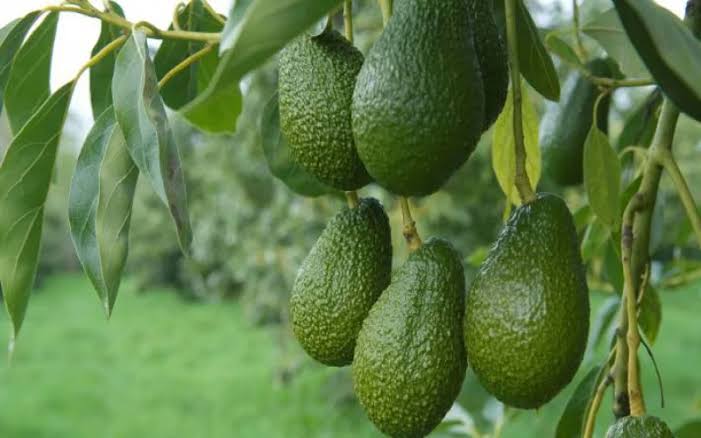
Despite the opportunities, farmers should approach Hass avocado production as a business rather than simply planting trees because of market excitement. They need to research reliable planting material, understand expected yields and costs, identify buyers and assess local climatic and soil conditions before investing.
For farmers in Nyandarua, Murang’a and other parts of Central Kenya, Hass avocados represent more than just another fruit crop. With proper planning, professional farm management and dependable market linkages, avocado farming can contribute to household incomes, rural employment and agricultural diversification. The growing interest demonstrates how Central Kenya’s farmers continue to explore innovative ways of turning agriculture into sustainable and commercially viable enterprises.